OUR BLOG
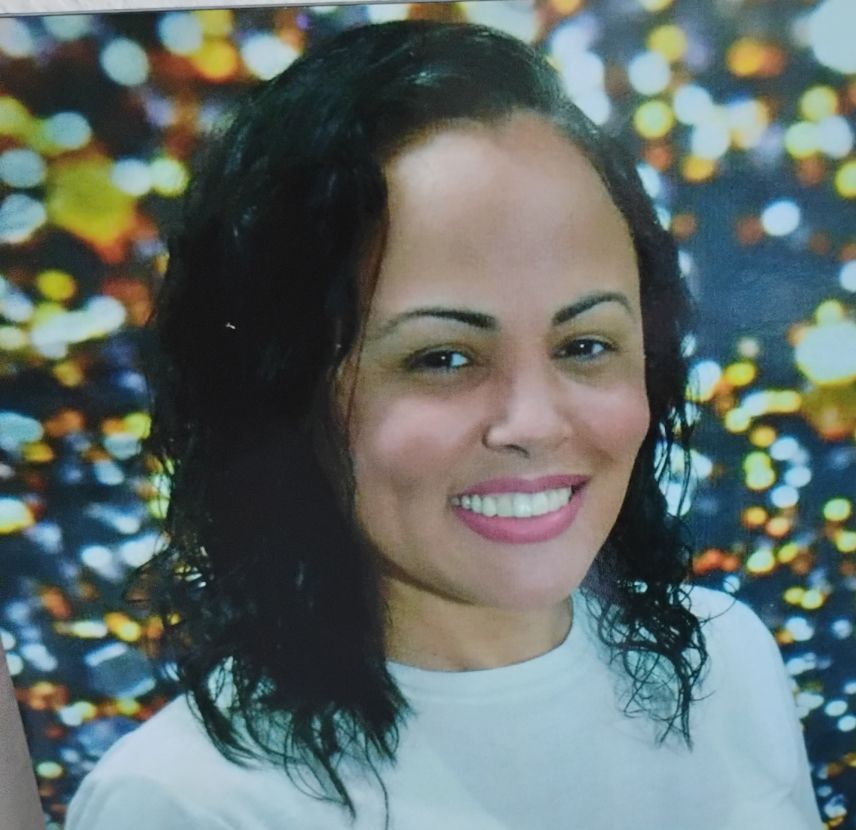
A Mother Still Behind Bars for Cannabis: The Story of Brandy Fisher While legalization spreads across America, women like Brandy Fisher remain forgotten inside federal prison — serving out decade-long sentences for marijuana as the world outside changes without them. How It Began Brandy Fisher never imagined she would spend a decade in federal prison. Charged with distribution of 1,000 kilograms of marijuana, she became a target when family members and close friends she trusted were already working as federal informants — six of them. When agents approached her first and asked if she wanted to talk, she asked for a lawyer. That decision, the right one under any standard, did not protect her from what came next. “The 6 informants who were close family and whom I thought were best friends had turned federal agents,” Brandy recalls. She took a plea deal — ten years under Rule 11(c)(1)(C), a binding agreement that locks the sentence in place regardless of changes in law. And the law has changed dramatically. “Sitting back and watching the world change daily is amazing — how now the world can see that marijuana can be used to cure people of sicknesses.” — Brandy Fisher As state after state has legalized or decriminalized cannabis, and as federal reform conversations have grown louder, Brandy remains locked in. Her binding plea means no retroactive relief applies to her. She watches from inside, and she waits. While Brandy serves her sentence, her family carries the weight too. Her father has received a family support grant from the Last Prisoner Project to help offset the costs of caring for Brandy’s six-year-old son. And when Brandy is eventually released, she will be eligible for a Last Prisoner Project reentry grant — funding designed to help cannabis prisoners like her rebuild their lives from the ground up. Life at FCI Waseca Brandy first survived FCI Dublin — the California federal prison that became the subject of a federal investigation into widespread staff sexual abuse. She was transferred to FCI Waseca in Minnesota, which she describes as one of the worst women’s federal prisons in the country. The conditions she describes are a portrait of institutional neglect. The commissary is shut down for weeks at a time. The kitchen served her food with a live beetle on the tray — she no longer eats there. Women are denied body oils because, as Brandy recounts, the staff claim it draws unwanted attention from male officers. A captain reportedly declared that commissary soda was being removed because women there were overweight. Cleaning supplies — bleach, Ajax — are withheld, yet women are asked to clean bathrooms that handle used sanitary products, sometimes without gloves. An outbreak of H. pylori, a bacterial infection that can lead to stomach cancer if untreated, has affected a significant portion of the population. “They are trying to keep it on the low,” Brandy says. “We are run around by majority men officers — there are unpleasant comments made about women and their sexual body parts, comments about the way our clothes fit.” — Brandy Fisher The harassment, she says, is daily and institutional. The message from staff is clear: the needs and dignity of the women housed there are not a priority. Safety, Mental Health, and a Six-Year-Old Boy Brandy shares her room with three individuals convicted of serious child sex offenses carrying sentences of 25 or more years, as well as others convicted of drug offenses and one convicted of murder. The federal system houses people across these vastly different profiles together, and any refusal to comply with the arrangement risks placement in the Special Housing Unit — solitary confinement. For Brandy, the psychological weight is not abstract. She has a six-year-old son on the outside, being raised by his 80-year-old great-grandfather. Every night, she falls asleep thinking about child predators — the ones inside, and the ones who may be near her child. Mental health support at Waseca is, by her account, almost nonexistent. There is one mental health staff member. “I will not call her a doctor,” Brandy says, “because when she talks to you, she is angry herself and she doesn’t give good advice.” When Brandy first arrived at FCI Dublin, she was immediately stripped of all mental health medications she had been taking for four years. No taper. No transition. No plan. What Clemency Would Mean Brandy is currently pursuing clemency with legal support from the Last Prisoner Project. For her, release is not the end of the story — it is the beginning of one she has been carefully building in her mind, and on the page, for six years. She wants to return to real estate: flipping and staging homes, putting them back on the market. She is also planning a nonprofit bookstore dedicated to donating reading materials to federal prisons nationwide. Over the past year alone, she has read more than 200 books. It has changed her. “Reading gives me hope, and it makes my time fly by. I want to help feed the minds of others with learning materials, love stories, action-packed books — and let’s not forget the hood books that keep us all on edge.” — Brandy Fisher She points out that in six years, not a single author of the many book series her family has ordered for her has ever donated books to FCI Waseca or FCI Dublin. She intends to be the person who changes that. Brandy Fisher is not asking for pity. She is asking to be seen — and asking those with the power to grant clemency to consider what second chances are for, and who deserves them. Write to Brandy — Let Her Know She Hasn’t Been Forgotten One of the hardest parts of incarceration is feeling invisible. A letter from a stranger can be a lifeline. If Brandy’s story has moved you, take five minutes to write to her directly. Tell her you read her story. Tell her she matters. Tell her people on the outside are fighting for her. Brandy Fisher 47495-509 FCI Waseca P.O. Box 1731 Waseca, MN 56093 You also have the option to write your letter to Brandy on the Last Prisoner Project website, and we will print and mail it for you: https://www.lastprisonerproject.org/letter-writing Support the Last Prisoner Project Brandy’s family support grant, her legal advocacy, and her reentry grant when she is released — all of it is made possible by donors like you. Last Prisoner Project works every day to free cannabis prisoners, support their families while they are inside, and help them rebuild when they come home. To keep doing this work, we need your support. Donate here .
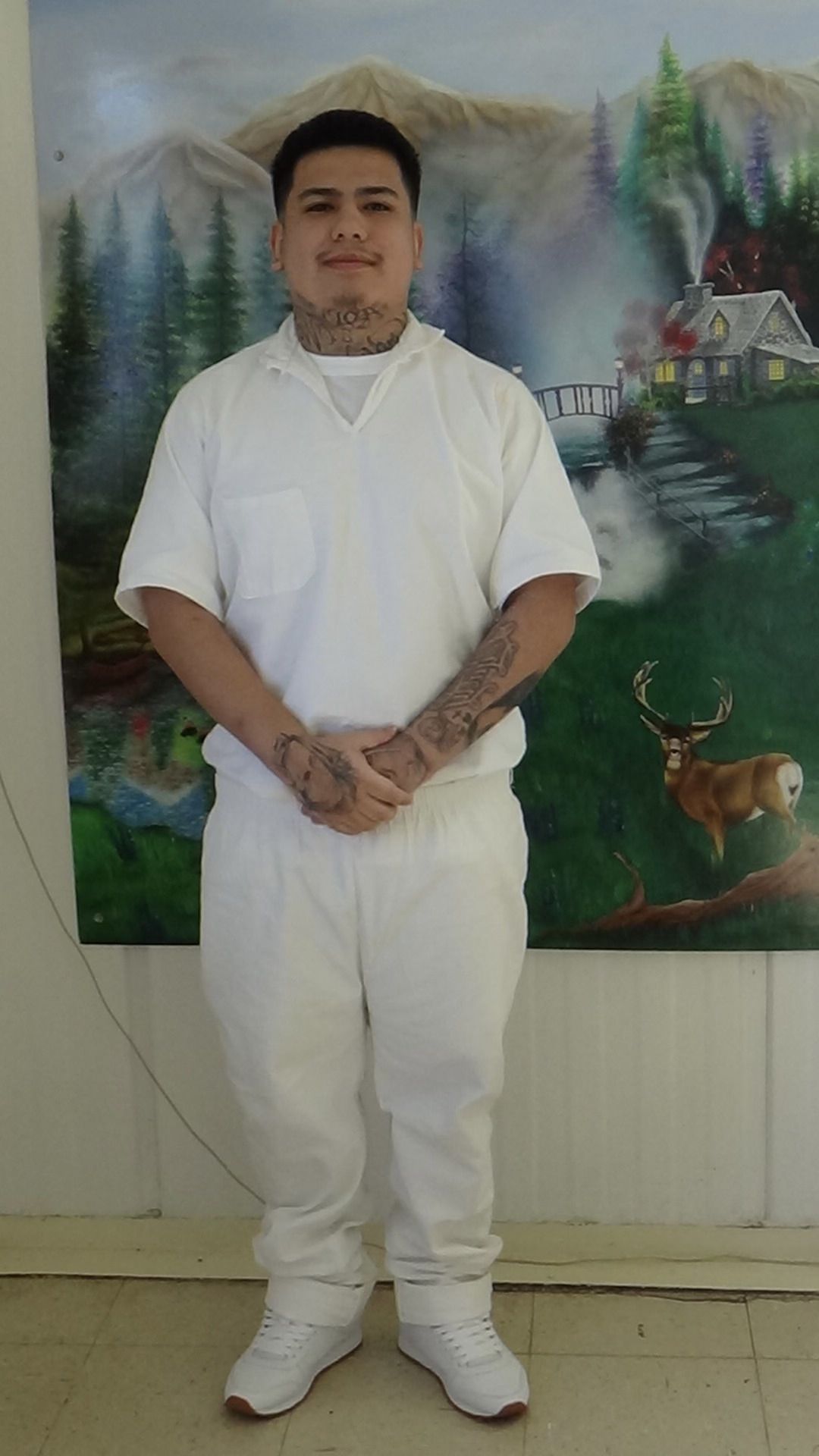
75 Years for Cannabis: The Story of Julian Andrade Julian Andrade is 22 years old. He was born and raised in Fort Worth, Texas, and he has now spent three of those years inside a prison cell, serving a 75-year sentence for a nonviolent cannabis charge. He also received concurrent terms of 50 and 10 years. No one was hurt. No violence was involved. Just a young man from Fort Worth, still maturing, whose life was upended by a system that chose punishment over proportion. Julian is a father. His son was born while he was incarcerated, a milestone he could not share, a childhood he cannot witness in person. His aunt stands firmly by his side, advocating for him and helping make sure his story gets told. Together, they are determined that what happened to Julian will not stay silent. This is his story, in his own words. A Fast Life and Bigger Dreams Before his arrest, Julian was someone who poured his time into the people he loved. "Before incarceration, I would spend any and all time that I could with my family and loved ones," he says. Underneath that, he carried real ambition. His goals were not small. He wanted to open businesses and bring others along with him, to create something and share it. "The path I thought I was on at 19 was a fast life that I did not know how to get out of." It's a sentence worth sitting with. A teenager who wanted to build something, who wanted to lift people up, caught in circumstances he didn't yet have the tools to escape. That kind of nuance rarely makes it into a courtroom. Shock, Confusion, and a Quiet Resolve When the verdict came down, Julian didn't rage. He went quiet. "I was in shock, loss of words, hurt, but mainly confused. I didn't hurt anyone. It was only cannabis." The confusion is understandable. Cannabis is now legal or decriminalized in the majority of U.S. states. The substance at the center of Julian's case is sold openly in dispensaries across the country. And yet, in Texas, a 19-year-old received a sentence longer than most people's entire lives. Julian has refused to let that sentence hollow him out. Since coming to prison, he says he has grown closer to God and encourages others to do the same. He uses the time to mature and to become a better man, not just for the people waiting for him on the outside, but for himself. "Since receiving my time, my perspective has changed completely. I now use this time to mature, grow, and become a better man for my family, friends, and my release, but most importantly myself." A Father Behind Bars Julian's son came into the world while Julian was incarcerated. There was no hospital room, no first cry he could hear, no hand to hold. There is only the wondering. "I miss my son daily. It hurts me knowing I can't help or even watch him grow up. I'm always wondering what he is doing, what kind of kid he is, and what he likes. Hoping one day I can do the same things with him that my grandpa did with me." That last line carries everything. A grandfather's love, passed down through memory, now at risk of being cut off by a sentence for a plant. Julian's son is growing up without his father. Julian is getting older without being able to watch his child grow. "My child means the world to me." The Daily Weight Ask Julian what his hardest challenges are, and his answers are not about prison conditions or legal policy in the abstract. They are deeply personal. "The biggest challenge I face daily is missing home. Hoping I'm free before my grandpa or mom passes. Being able to still be in my child's younger years. And enjoying life in the free world while I'm still young." He is racing against time on every front, against grief, against his son's fleeting childhood, against his own youth passing inside a cell. And yet something keeps him going. "The world is changing. But mainly dreaming about the things I will do and the life I want to live upon my release." He means it literally, too. Julian says he looks forward to pumping gas, walking through a grocery store, and one day helping others who find themselves in situations like his. The smallest freedoms, the ones most people never think about, are the ones he dreams about most. What Julian Wants You to Know If Julian could speak to lawmakers, advocates, and everyday people, he would not ask for sympathy. He would ask for honesty. "I know what I did. I broke the law. But I don't think people like myself or others should be serving long sentences, especially for something nonviolent or accepted in more than half of America and other parts of the world. I was still a kid when I came to prison. I was still growing up and maturing, and still am today. I didn't hurt anyone, never did, and never will. I don't deserve all this time. I understand I and others have broken the law, but we should not be doing more than 5 years for a plant." His aunt echoes that call. She has stood by Julian since the beginning, advocating loudly and consistently, refusing to let the system's silence become the final word on her nephew's life. Her support is a reminder that behind every incarcerated person is a family fighting to bring them home. Julian hopes that one day he will be able to share his testimony from the outside, to stand in front of others who are struggling and tell them there is a way through. That vision is part of what keeps him moving forward. The Door to Clemency Is Almost Sealed Shut Julian would like to pursue a sentence commutation, but Texas makes that road extraordinarily difficult. And even the path to clemency is nearly out of reach. Texas requires a written recommendation from a majority of the current trial officials, the present prosecuting attorney, the judge, and the sheriff or chief of police of the arresting agency from the county and court of offense, conviction, and release, along with full compliance with the board rules governing commutation of sentence, just to be eligible to apply. The very system that locked Julian up is the same one he'd need permission from to get out. His aunt has stood by him every step of the way, fighting to make sure his story is heard. Now we're helping make sure it is. A System Out of Step Julian's case is a stark illustration of how dramatically cannabis sentencing diverges across state lines. In one state, a person can legally purchase the same substance that earned Julian 75 years in Texas. That disparity is not justice. It is geography. Julian did not commit a violent crime. He was a teenager from Fort Worth who made choices in a life he didn't yet know how to navigate. He is now 22, a man and a father, spending what should be some of the freest years of his life behind bars. The question is not whether Julian broke a law. The question is whether this punishment fits any honest definition of justice. We believe it does not. "I hope what happened to me and others like me stops happening." So do we, Julian. Julian Andrade is a constituent represented by the Last Prisoner Project. If his story moved you, please take action. Contact your representatives, support cannabis sentencing reform, and consider donating to Last Prisoner Project so that we can continue to fight for the freedom of cannabis prisoners like Julian.
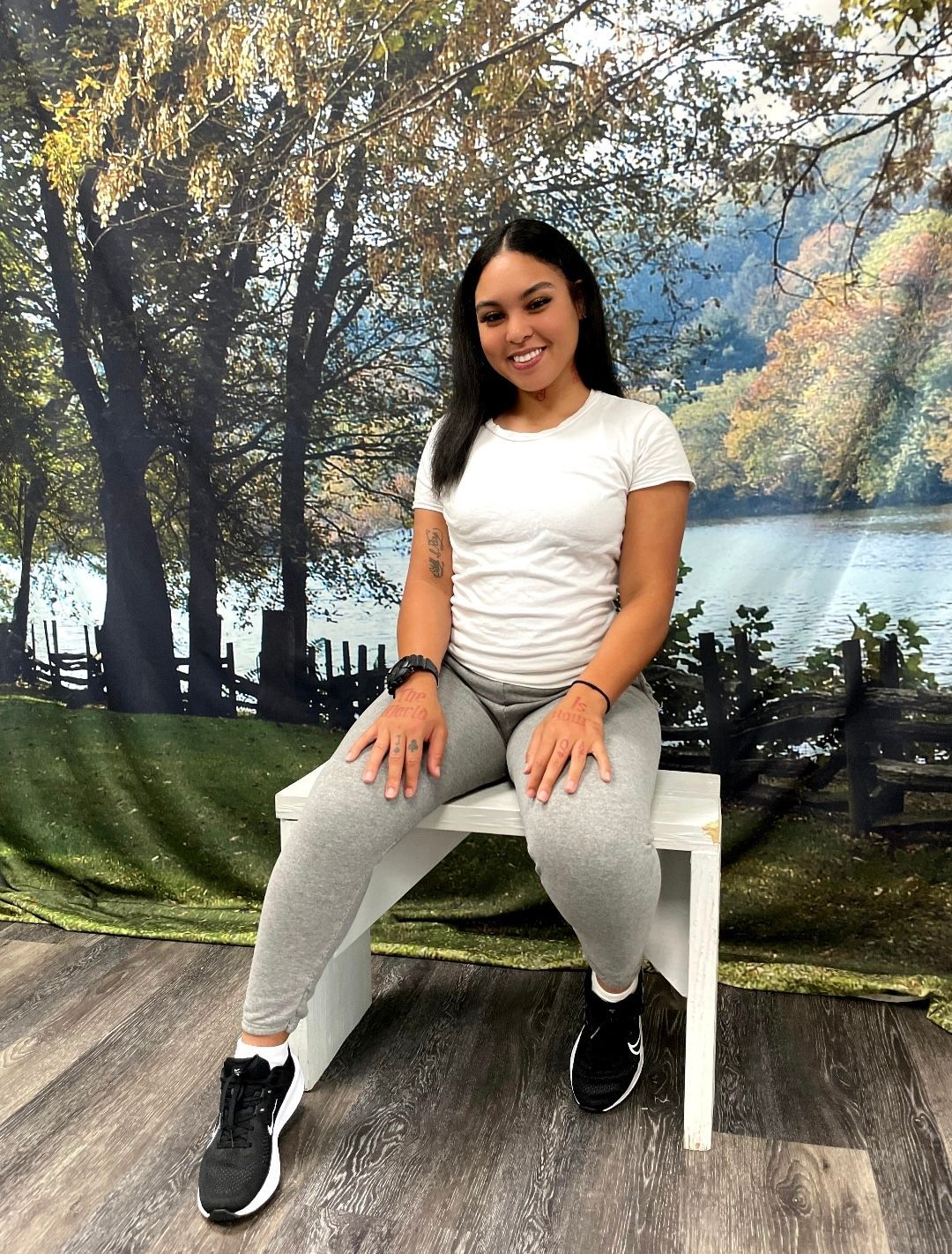
Yasquasia Delcarmen is 29 years old. She is a mother, a musician, and an aspiring screenwriter. She was building a life — pursuing a creative career, studying communications and journalism, and raising her infant son — when a federal sentence of 8 years, followed by 3 years of probation, brought everything to a halt. She has now served 16 months. No one was hurt. No violence was involved. Her charges were for cannabis — a plant medicine that brings quality of life to millions of people — now legal or decriminalized across most of the country, yet still capable of costing a young woman nearly a decade of her life and separating a mother from her child. Yasquasia is telling her story because she hopes it will make a difference. She hopes it will matter soon. This is her story, in her own words. A Creative Life, Cut Short Before her arrest, Yasquasia was in motion. She had been pursuing a career as a music artist for years — real opportunities, real momentum — and studying communications and journalism because writing had always been a passion. She describes herself as someone who had talent and possibility right in front of her, but who hadn't yet slowed down enough to fully embrace it. "I had a lot of opportunities to really make something of that. I feel like I just didn't slow down long enough to embrace the talents I had in front of me." She has not let go of those dreams. From inside, she has decided to pick up her writing again and pursue screenwriting. The artist is still very much alive. She is just working under very different circumstances. A Crashing Wave When the sentence came down, Yasquasia nearly collapsed. "Receiving a 96-month sentence hit me like a crashing wave. It was a lot. It devastated my family. A moment I'll never forget. I almost passed out, to be honest." She was remanded into custody the same day. No goodbye on her own terms. No transition. Just a courtroom and then a cell, and a son who was 11 months old waiting on the other side of a door she could no longer open. Sixteen months in, the weight of that sentence hasn't disappeared. But Yasquasia has found a way to carry it. She has realized how important it is to stay uplifted and productive, and she takes it one day at a time. Her perspective has shifted — not because the sentence feels any more just, but because she has chosen, deliberately, not to be hollowed out by it. A Mother Behind Bars If there is one thread that runs through everything Yasquasia shares, it is her son. He was 11 months old when she was taken into custody. He is now two. In the months between, she has missed his first steps, his first Christmas, and his first birthday. "It's tough. But it's important to stay uplifted — so I focus on the positives. He is well taken care of. I have an amazing support system. He's happy, healthy, and safe, and knowing that puts my heart at so much ease." She is clear about accountability. She does not excuse the choices that led her here. She has had to forgive herself — genuinely forgive herself — and make the daily decision to get up and become the best version of herself she can be, so that when she comes home, she can give her son everything he needs and more. "My son definitely means the world to me. I messed up putting myself in this situation to be away from him, but I've had to forgive myself and get up every day to work on being the best version of myself I can be so I can come home to him." Her son is growing up without her there. She is getting older without being able to watch him grow. That is the sentence within the sentence. Just Being Here When asked about her greatest daily challenges, Yasquasia's answer is simple and total: just being here. Being away from home, away from comfort, away from family, away from her own life. What keeps her going is faith and purpose. She describes keeping close to God and locking in on things that contribute to her growth as the fuel that keeps her hopeful. In a system designed to strip agency, she is carving out space for growth every single day. What Yasquasia Wants You to Know If Yasquasia could speak directly to lawmakers, judges, prosecutors, and advocates, she would not ask for pity. She would ask them to think harder about what punishment is actually supposed to accomplish. "It didn't take giving me 96 months for me to understand where I went wrong. Sitting here for years for my first legal mistake is not beneficial to me or my child." She takes full accountability. But she challenges the assumption that years of incarceration are necessary — or effective — to change someone's behavior. What people in the system sometimes need most, she says, is something that is in short supply: empathy. She also speaks to the mechanics of the federal system itself — the way cooperation with prosecutors can dramatically reduce a sentence, while refusing to cooperate means the full weight of the law comes down regardless of the underlying conduct. She finds that dynamic troubling and hard to reconcile with any straightforward idea of justice. "If my crime is bad and you want to punish me for it — unless I give you what you want — is it really that bad? A lot of stuff just doesn't make sense." And then there is the disparity she lives alongside every day: marijuana charges, in a federal facility, serving as much time or more than people convicted of trafficking cocaine or methamphetamine — and when she does get out, three more years of probation will follow. Cannabis is now legal or decriminalized in the majority of U.S. states. The substance at the center of Yasquasia's case is sold openly in dispensaries across the country. And yet, in the federal system, she is doing eight years for it, with years of supervised release still ahead. "I can only hope and pray that things change — and soon." A System Out of Step Yasquasia's case reflects a broader reality: federal cannabis sentencing has not kept pace with the dramatic shift in how this country views and treats marijuana. In one state, a person can walk into a store and legally purchase the same substance that cost Yasquasia eight years of her life and her son's earliest years without his mother. That is not justice. It is geography. Yasquasia did not commit a violent crime. She was a young mother and creative woman who made a mistake in circumstances she was still navigating. She is now 16 months into an 8-year sentence, with 3 years of probation to follow, watching her son grow up through a distance no family should have to endure. The question is not whether Yasquasia broke a law. The question is whether this punishment fits any honest definition of justice. We believe it does not. "I hope what I'm going through, and what others like me are going through, stops happening." Last Prisoner Project is working to match Yasquasia with a pro bono attorney to file her clemency petition. She is also enrolled in our letter-writing program — because no one fighting this hard should feel forgotten. Call To Action Please consider sending Yasquasia a letter of solidarity and to remind her she hasn’t been forgotten. You can write to her directly or send your letter through the Last Prisoner Project website, and we will print and mail it on your behalf. Write to her directly: Yasquasia Delcarmen # 09823-511 FPC Alderson GLEN RAY RD. BOX A ALDERSON, WV 24910 Or send a letter through our website : https://www.lastprisonerproject.org/letter-writing Let her know she has not been forgotten. Yasquasia's story is one of thousands. The Last Prisoner Project's pro bono attorney matching, clemency advocacy, and letter writing programs exist because of donors like you. These programs are the difference between someone like Yasquasia having a fighting chance at freedom — and being left behind. If her story moved you, please consider making a donation to Last Prisoner Project today at lastprisonerproject.org/individuals. Your support keeps these programs alive and ensures that no cannabis prisoner has to fight alone.
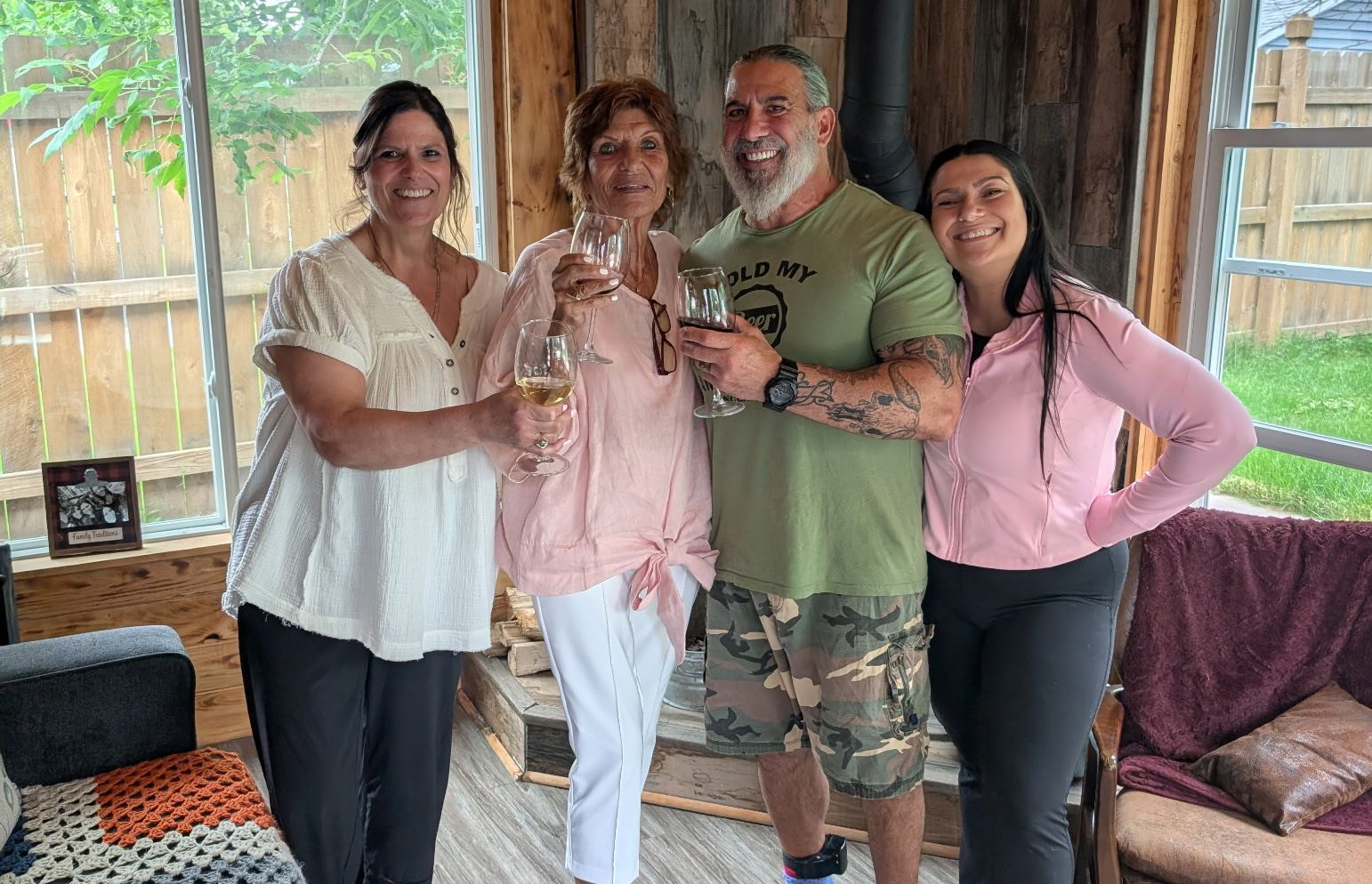
Michael Masecchia spent decades shaping young lives as a beloved teacher and coach in Buffalo. Baseball, football, softball, and more, he dedicated himself to mentorship and community. But in 2019, his life was upended in an instant. A federal raid for cannabis, a swarm of law enforcement, and a harsh sentence threatened not just his freedom, but the very identity he had built. This is the story of how Michael survived the injustice, found purpose behind bars, and ultimately returned home, a story of resilience, redemption, and the transformative power of advocacy.
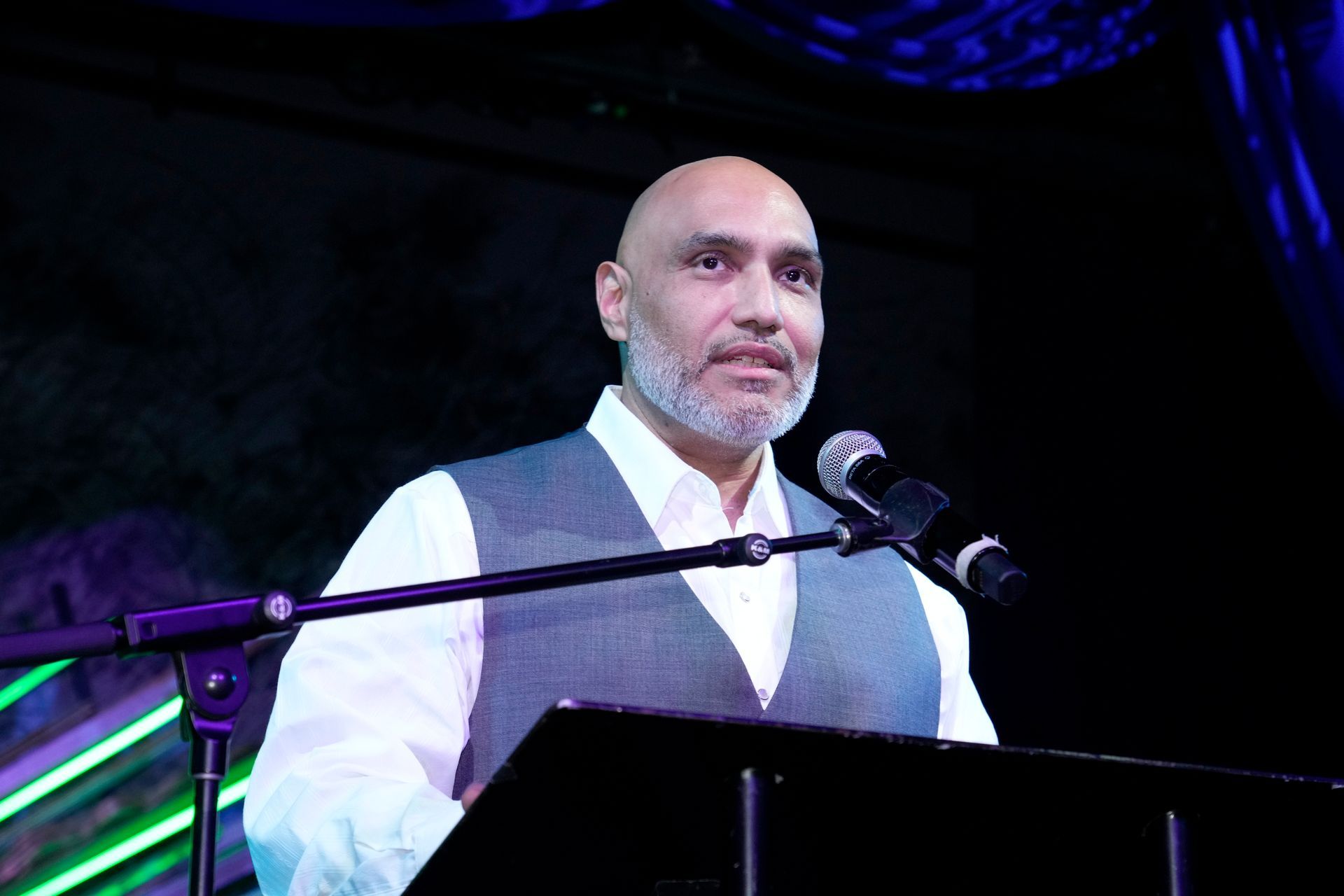
Featuring Carmelo Anthony, Omari Hardwick, Calvin “Megatron” Johnson, and other cultural icons, the NYC event united artists, advocates, and changemakers to advance cannabis justice.
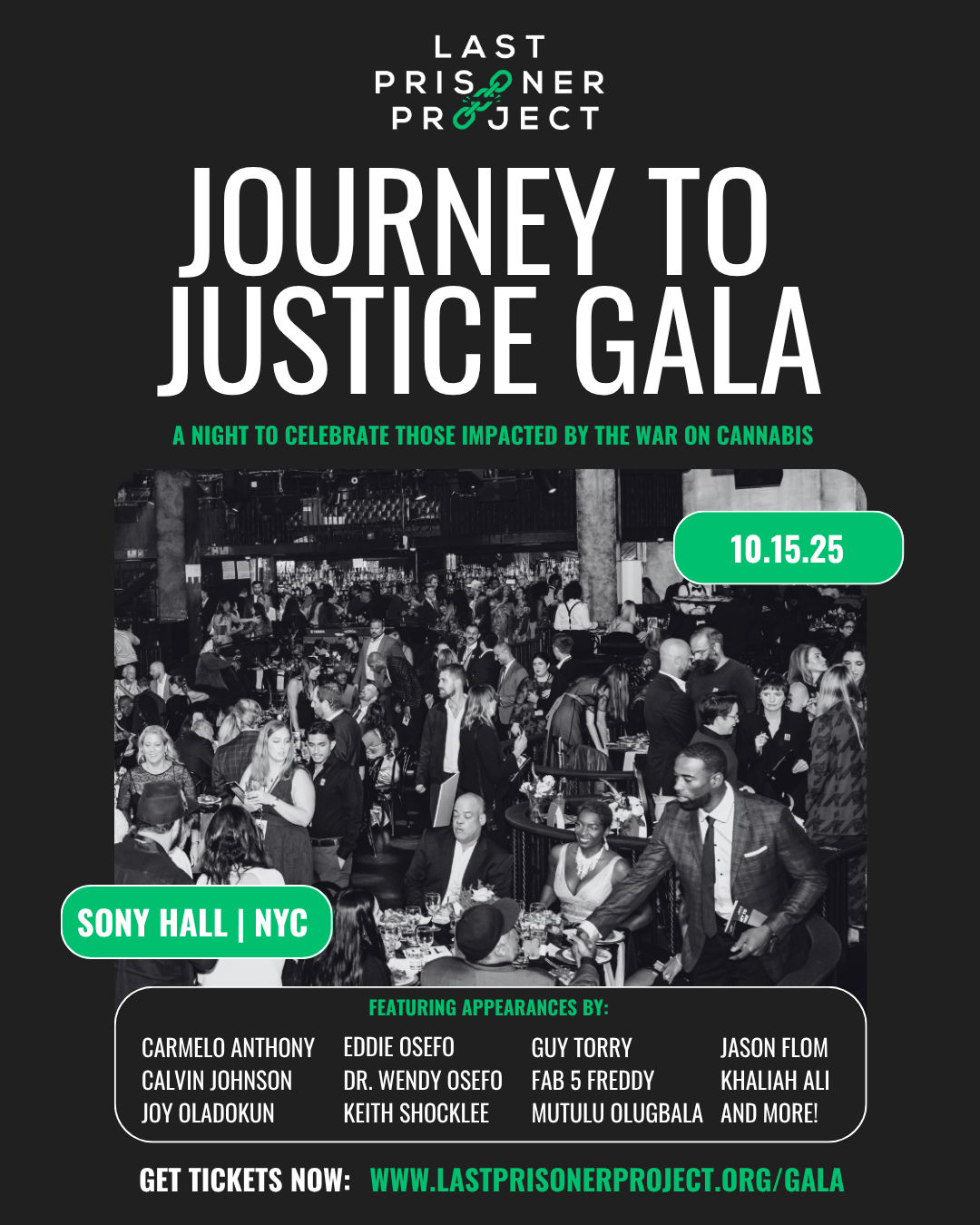
NEW YORK, NY – September 24, 2025 – The Last Prisoner Project (LPP) will host its sold-out second annual Journey to Justice Gala on Wednesday, October 15, at Sony Hall in New York City, bringing together artists, advocates, and supporters to celebrate progress toward ending the War on Cannabis. This year’s gala will spotlight the resilience of individuals directly impacted by cannabis incarceration, sharing their stories through powerful performances and heartfelt tributes. Special guests include NBA All-Star Carmelo Anthony , co-founder of Grand National with Jesce Horton, and Brandon “Beedy” Pierce—an agency supporting LPP. Also in attendance will be NFL Hall of Famer Calvin Johnson , Eddie, and Dr. Wendy Osefo of The Real Housewives of Potomac , and comedian and actor Guy Torry , who will serve as the evening’s MC. Additional guests include Jason Flom , Khaliah Ali , and Fab 5 Freddy . The night will also feature a live performance by Joy Oladokun and Bartees Strange and a DJ set by Keith Shocklee , founding member of Public Enemy. “I’m just thrilled to lend a voice to such a noble cause, so that everyone who supports Happy Eddie through purchasing my products will know that no one should be in prison for something that is now legal in many states,” said Eddie Osefo, owner of Happy Eddie . “As we come together as a community to celebrate and advocate for criminal justice reform and lessening social stigmas around cannabis, we must remember to support organizations like LPP that provide prisoner support initiatives aiming to improve the lives of incarcerated constituents by providing them with financial and emotional support during their time behind bars." The gala will honor LPP constituents who have returned home and are now advocating for others. Award recipients include Mario Ramos , who served 13 months for cannabis before opening his New York City dispensary, Conbud, and Deshaun Durham , granted clemency by Kansas Governor Laura Kelly last year, who now champions reform efforts. The evening will also recognize the work of LPP’s Cannabis Justice Initiative (CJI) , which has saved constituents more than 350 years of unjust sentences, including seven life sentences. Additional honorees include Leonel Villaseñor and Jose Sepulveda, two federal clemency recipients who returned home earlier this year. Stephanie Shepard, who served a 10-year federal sentence and is now Board Chairwoman and Director of Advocacy at Last Prisoner Project , said, “The Journey to Justice Gala is a powerful celebration of freedom and the lives forever changed through our work. This year, we’re honored to uplift several of our formerly incarcerated constituents—like DeShaun Durham, who is now thriving and leading in his community after years behind bars for cannabis. Your attendance helps us raise the critical funds needed to support more stories like his. Join us for a night of purpose, progress, and people power.” Proceeds from the sold-out event will directly support Last Prisoner Project’s legal, policy, and reentry programs, ensuring their longevity and impact. Last Prisoner Project thanks its sponsors — Goodwin, DeLisioso, Gotham, Grand National, General Hydroponics, Vladick, Raskin and Clark, Edie Parker, Free My Weedman, Happy Eddie, Primitiv, GTI, iAnthus, ConBud, Ethos Cannabis, BATCH, PuffCo, Sweed, and Ben and Jerry’s— for making this evening possible. Additional thanks go to newly added sponsors Dutchie, Ayrloom, Emerald Dispensary, Flower Mill, 3isFor, and Canopy USA. For more information or to view sponsorship packages, visit the Last Prisoner Project Gala website. For Media Inquiries: Will Mesinger, West End Strategy Team wmesinger@westendstrategy.com | LPP@westendstrategy.com

Wednesday, October 15 at Sony Hall in New York City Notable Guests Include Carmelo Anthony, Calvin “Megatron” Johnson, Dr. Wendy & Eddie Osefo, Fab 5 Freddy, Jason Flom & Khaliah Ali, Donte West, Keith Shocklee and Studdah Man of Public Enemy, and Guy Torry with a Performance by Joy Oladokun PURCHASE TICKETS & MORE INFORMATION
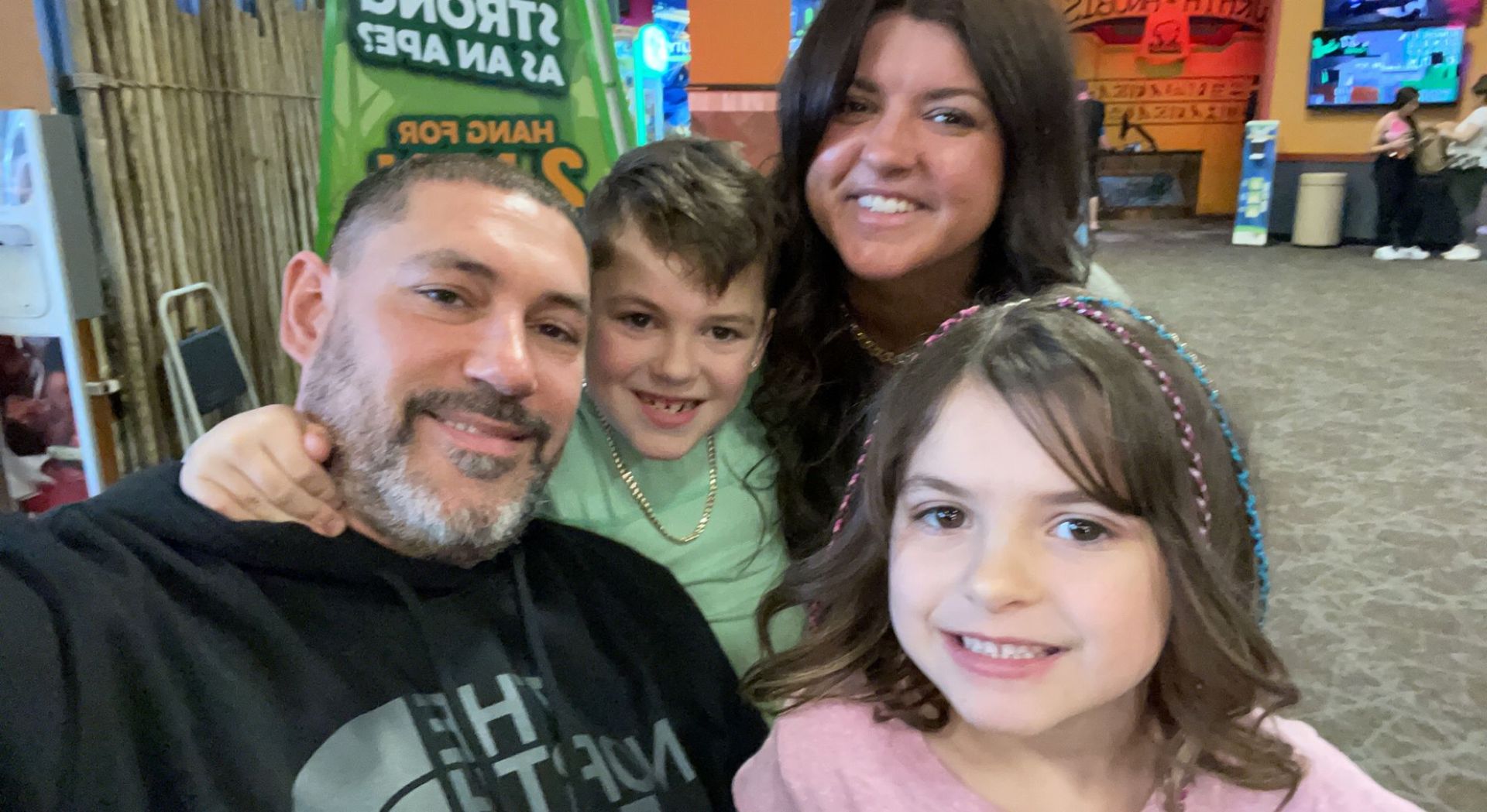
When I sat down to speak with Candace Kampa, I expected a story of heartbreak. What I didn’t expect was the strength, clarity, and fierce love that radiated through every word she spoke. Candace has been with her fiancé, Douglas, for over 15 years. They met in their early twenties, built a life together, and are raising two children—a 12-year-old son and a 9-year-old daughter. Before Douglas’s incarceration, they were a typical Minnesota family: spending weekends boating, snowboarding, going on cabin trips, and cheering their kids on in sports. Douglas was hands-on with their son’s wrestling and baseball and shared a deep, unbreakable bond with their daughter, who Candace lovingly calls “a mini version of him.” All of that came to a halt when federal agents raided their home and arrested Douglas on cannabis-related charges. He is now serving a 135-month sentence, a sentence that continues to punish not just him, but the entire family. Candace vividly recalled the trauma of that day: being thrown to the ground, her children were walked down the stairs by armed officers in masks. “It was the worst time of my life,” she told me. The days that followed were filed with uncertainty, grief, and the sudden weight of single parenthood. She described living in “fight mode,” juggling the roles of mother, father, breadwinner, and emotional anchor for two heartbroken children. Her daughter often asks why her father can’t attend school events or take her to the father-daughter dance. Her son wonders if his dad will ever see him wrestle again. These aren’t abstract policy consequences; this is the real, daily impact of outdated cannabis laws on American families. Despite the emotional weight, Candace has remained steady. She transitioned from working in real estate to taking a 9-to-5 job so she could be present for her kids during evenings and weekends. She sacrificed income and independence, but never her determination. She advocates for Douglas’s release, manages the fallout of ongoing legal threats to her property, and remains an unrelenting voice for justice. And still, the losses are felt deeply. Friendships vanished. Community support dried up. “It was like we had the plague,” she said. But through it all, Douglas’s family remained a constant. His sister visits weekly. His mother steps in to help with the kids. That consistency, Candace says, has been a lifeline. When asked what she would say to those in power, specifically President Trump, who has signaled interest in issuing clemencies, her message was clear: “Let him go. There are so many horrible things people do and never serve time. Why are people still incarcerated for cannabis when it’s now legal in so many places?” Candace believes in accountability, but she also believes in proportionality and second chances. Douglas is not a danger to society. He’s a father, a fiancé, and someone who wired an entire church for free just to give back. His punishment doesn’t fit the crime. Today, Candace is studying to become a paralegal. She wants to turn her pain into purpose by learning the law so she can help other families caught in the same cycle of injustice. “Knowledge is power,” she told me. “I don’t want another family to go through this.” At Last Prisoner Project, we are proud to support Candace and Douglas through our advocacy and grant programs. But what they deserve is what we’re all fighting for: freedom. Until Douglas is reunited with his family, we will continue to amplify their story and push for the long overdue justice. Full Interview Last Prisoner Project: Thank you so much for speaking with me. I know it has not been easy going through your fiancé Douglas’ incarceration for cannabis, but I hope talking about it helps. How long has Douglas been locked up? Candace Kampa: Coming up on 3 years. Last Prisoner Project: What's Douglas's sentence? Candace Kampa: 135 months. Last Prisoner Project: Would you feel comfortable just sharing a little bit about your past with Douglas? You and Douglas have been together for 15 years. What were your lives like before Douglas's incarceration? Candace Kampa: I met him when I was 21, we started dating, and then we had our son a couple of years later. He's 12 now and then. A couple of years after that, we had our daughter, and we moved. She's nine; her name is Layla. Before Doug went in, he and I both worked, and the kids were starting to get busy in sports. He was super involved in my son's wrestling and baseball. My daughter is a daddy's girl 100%. She is the mini version of him, and every little thing about her reminds me of him. We had a boat and would go boating every weekend. My son's into skiing, and we snowboard. We loved doing things like going fishing, going up to cabins, having bonfires, and just really enjoying our time as a family. Last Prisoner Project: Have you both always been comfortable with the plant, being involved with the plant? Was it something that's always been a part of your lives, or were it some people? It just kind of comes up on them, and things happen leading up to, you know, his arrest. But were you guys always cannabis people? Candace Kampa: When I was younger, my body changed after I had my son. When I would consume, I would just get a little paranoid. So I kind of stopped. When I was first introduced to cannabis, it involved my stepmom. She had cancer. She wouldn't eat or anything. And then she started using different things, like oils and edibles. She would go to Colorado and get it, and seeing just how much it helped her, it completely changed my mind. It was 11 years ago. Last Prisoner Project: So you grew to appreciate the plant as a medicine? Candace Kampa: Yes, that's before it was almost taboo. When I was younger, it was like, "Oh, my gosh! Don't get caught doing that!" And then it changed. After I witnessed her being able to eat and feeling better, and being able to sleep and not be on so many different medications, and being groggy all the time, and being able to remember the moments that she had left. Last Prisoner Project: Where do you live with your family? Candace Kampa: In Minnesota. Last Prisoner Project: What was that period like when your fiancé was first arrested? Candace Kampa: It was awful. I don't know what other word to use to describe it. It was just pure shock. I was home with my 2 kids, and my house was raided. I think I was sick to my stomach for 2 months. My kids were so confused, they didn't know what was going on. I didn't either. Doug was arrested, and then he got released on a signature bond about 4 days later. That's when I found out more information. I can say it was literally the worst time of my life. Last Prisoner Project: What were your first weeks like after Douglas had been incarcerated? Candace Kampa: Well, this is going to get emotional. I was just super shocked, my kids were absolutely devastated, and I was just lost. I felt like I didn't know what to do; my whole adult life was with Doug. And so for that to happen, I didn't even know how I was going to get out and about every day. I only got up because I have my kids. They are threatening to take my properties, it's just horrible. All that came at one time, and I've just been living in a state of fight mode. The stress and anxiety are just a result of not having him here. I could always count on him for everything; he could fix everything, all the time. So for him not to be here, and me having to do everything, is not something I was prepared for. I'm super involved with the kids, but if something goes wrong with the house, or I'm sad or scared, or I feel like I'm not doing a good enough job with my kids, he could always step in and make me feel better. He was my peace, and then I just felt like I lost that. Last Prisoner Project: Was Douglas the main breadwinner, or did you guys contribute to the household together? Candace Kampa: We contributed together, but after I had my son, I wanted to stay home with the kids. So I switched my career. I started doing real estate, and then I got my broker's license. I bought my house, then bought the house next door, and then I was able to buy another property after that, so finances are the only thing I don't worry too much about. It's still a struggle, but I know it could be much worse. Last Prisoner Project: I asked because much of the time, finances are drastically affected when one of the parents is incarcerated, so you're very blessed to be in that position. So, not having to worry about finances so much, but everything else in your life has been different from that point on? Candace Kampa: There are times when I just feel angry. I get mad that we're in this position now, and that my kids are growing up without their dad around. Like I said, I did work, but I missed a lot of nights and weekends of doing stuff with my kids, because I was busy doing real estate. The houses are in my name, but now they're gunning for all my properties, and they're trying to take them from me, so there's a little bit of anger there, but that's what I'm financially scared of the most, that they'll take everything that I've worked so hard for. Last Prisoner Project: Your day-to-day life changed, your day-to-day routine changed. Now you're mom AND dad are in the house. Candace Kampa: Absolutely, I had to quit doing real estate full time, and I went and got a 9 to 5 job because I can't be gone on nights and weekends showing houses anymore, so I had to change my career, again. I had to take a pay cut just so I could work while my kids are in school. I lost the freedom that I had, which was always my biggest fear. Last Prisoner Project: So you talked about just taking over that mom and dad role? What kind, if any, support did you have from your friends, your family, your community during that time? Candace Kampa: The friend thing got hard. I feel like everybody kinda looked at us like we had the plague. Honestly. My mom lives in Florida, but she comes to visit during the summers to watch my kids while I work. My dad has health issues. I have one brother here. But Doug's family is a huge support. All of his family is very supportive. If I need anything, I can call his mom, she can help with the kids, or his sister Eve comes over to my house every Monday. She owns a restaurant, and she still makes time, and she has us up there for special nights, and she comes and plays with my kids. His family is great. Last Prisoner Project: Was there anybody in your life on either side of that? The support side, or the lack thereof support side, that surprised you? Candace Kampa: His family has always been super supportive. So I guess that wasn't surprising. But I think my mom. Doug and my mom never really got along. She has to stop her life in Florida and take time off from her work to come up here and watch my kids for 3 months. So that part kind of surprised me, and that's been super helpful. Last Prisoner Project: Okay. So your mom was on the surprisingly supportive side. Anybody that you thought would be there but, surprisingly enough, ended up going MIA or ghosted you? Candace Kampa: I think the majority of the friends, this big group of friends, that I thought would be there, that we used to vacation with, and celebrate birthdays with, just collapsed. There are people that I would see weekly at my house, that I haven't even heard from since Doug went to prison. That was a blow because I've been friends with them for so long, and those hurt. Last Prisoner Project: Yeah, those friends who are there when everything's great and we're on the boat, vacationing and enjoying life together, to have them disappear out of your life when times are hard is difficult to forgive. Last Prisoner Project: How did your children take it and react, and how are they coping with it now? Candace Kampa: Honestly, I don't know how they have been so resilient with everything. The first couple of months were really hard at nighttime because they were a lot younger, but now they understand more. But before they'd ask, "Where's Dad? Why did he have to go? Why did they take him? When will he be back? How old am I going to be when he gets back? Am I going to be a grown-up? Is he going to be able to see me play baseball? Is he going to be able to come to my gymnastics meet?" Those are the hardest questions for me to answer. And there was a lot of separation. He was moved around all the time, and in holding, and then he was in West Virginia, so we didn't see him for almost 2 years. When he was in West Virginia, I sent in at least 15 visitation forms, and then he got moved to Chicago. So then I sent in a form there, and I got approved. The kids and I drove to Chicago, and that's the first time we saw him in a couple of years, and it was so emotional. But there'll be like a father-daughter dance at school, and Layla will get really bummed out. It hurts, but I just tell her, "It's okay, Uncle Kurt will take you." Sometimes it seems like they're fine, and then all of a sudden, they're so sad. They get to talk to him all the time now, and we've been able to visit him a lot because he's in Minnesota now, so that's been helpful. I know it broke their hearts, and it still does. My son wrestles, and he's like, "Man, I wish Dad saw that match!" Just little things like that, I know he misses. He's getting older, his body is changing, he's starting middle school, and right now is the most important time for him to have a Dad at home. Last Prisoner Project: With the kids being so young, were you able to be open and honest about what happened? Candace Kampa: Yes. Like I said, our home was raided, and they surrounded my house with guns and shields. I was with these 2 little kids, and then they took me and threw me outside and put me on the ground, and they're getting walked down the stairs by guys in masks, holding shields and guns, so I can't lie. They're little, but they're smart. My mom tells me I am too honest with my kids and share too much with them, but I don't want one day for them to be like, "Why did you lie to me?" And we go to a prison to visit, where they can read. They know that he's there for weed, and I'd say, "If anybody asks you, you can make something up, you can tell them the truth, but, my son says "My dad's in prison, and he's there for weed, and it's legal here now!", he gets it. Last Prisoner Project: It says volumes that even a 12-year-old knows that no one should be in prison for what's now legal in the majority of our states, but those in power don't seem to understand that very simple premise. Last Prisoner Project: How have you been managing through this? Because you now have a lot on your shoulders. Doug could get out next week, or he could do it this time. Candace Kampa: I don't know. I feel like I'm gonna cry now. Last Prisoner Project: Trust me, I cry at least 3 times a day, so don't be afraid to express yourself. Candace Kampa: I feel like I am doing my absolute best. Sometimes I'm literally just trying to get through each day. I try to just advocate for him, help bring him home, and for my kids to have their Dad back. I want to have my partner back and do all the things in life that we planned to do. I just wish this had never happened. It's a struggle. There are days when I think I'm not doing a good enough job with the kids, when I doubt myself. But other days I feel like "Okay Candace, you're holding it together. We have everything we need, I'm working, the kids are doing great in school and in sports. I think sometimes people are just too hard on themselves...then some days I'm like "Dang. I'm doing a good job!". Last Prisoner Project: You're doing a great job! What do you do for self-care, as someone who is now holding the whole family on your shoulders, because you don't only have to take care of your household, you also take care of Doug while he's in there. We all know incarceration is not cheap, which is why we do the commissary grants. Every little bit helps. LPP doesn't want to fund prison sentences; we want to end them. Candace Kampa: Honestly, I know it sounds kind of bad, but the more time that passes, the better I handle it. Now it's sad, but it's just my new normal. Time has put things into perspective. When I get home from work, I want to go watch my kid on the baseball field rip it into the outfield, or watch my daughter at gymnastics, that's what brings me joy. I don't have a ton of things that I do outside of them, because they're so busy. I just have my dogs and my kids, and that's what gets me through. I take the kids on dates, each of them twice a month, and try to get good alone time with each of them. I feel like when I see them happy, I can relax, and that's my self-care. Last Prisoner Project: The laws that ended inDoug being incarcerated. And how do you see these laws and policies, and the part they play in affecting families? Candace Kampa: I think they're very outdated. Mandatory minimums are archaic, but that's why Doug was sentenced to 112 months. These criminalization laws were put in place during the Nixon era, and it's time for a change. It's time for those in power to see that. There's no violence. There are no victims. He didn't hurt anyone. Stores are popping up on every corner in so many States that are doing the same thing that he was doing, selling cannabis. I feel like it's all a game of money, who should make it and who shouldn't. For those who are in the culture strictly for money, that's all they care about. Last Prisoner Project: I was just reading that sales of cannabis in the United States are projected to reach $45.35 BILLION in 2025! The total economic impact of regulated sales is estimated to reach $123.6 BILLION in 2025! Those are staggering numbers when people are in prison serving heinous sentences for so much less. If you could talk to President Trump about what these policies are doing to American families, how would you make that plea? Does. Candace Kampa: I'd let him know it's time for a change. I don't think anyone should be in prison for something that is now legal in so many states. There are laws for a reason, but there needs to be levels to sentencing. For a cannabis charge, let's do some home confinement or something different to keep the families together. My kids are experiencing this in real time. They're growing up without a dad. They could walk down the street shortly, walk into a dispensary, and buy the same plant that their father is locked up for. I would just say, let him go. There are so many other awful, horrible, heinous things that people are doing but aren't going to jail, why cannabis prisoners? Last Prisoner Project: You spoke about feeling like an outsider when Douglas was arrested. Do you see a shift in attitude towards cannabis amongst your average American communities? Candace Kampa: Yes, but I don't know if it was a shift because it's been like this for generations, it's just being so normalized and legalized, that people are less afraid of consequences. I went to a friend's party and it was like going to Woodstock. I was like, "Wow! Everybody smokes here". It was fine, and everybody was fine with it. It wasn't a taboo situation. I was sitting there thinking about Doug being in prison for this very plant. I would just say, let him go. There are so many other awful, horrible, heinous things that people are doing that are not going to jail. Last Prisoner Project: Would you be open to sitting down with those who have the power to change so many families' lives and sharing your story? Candace Kampa: I will tell my story to anybody who will listen! I've tried. I have reached out to so many different platforms and people on social media, on websites. I remember sitting there and tweeting every single person that was ever famous that I've seen who has had anything to do with marijuana. I was sending hundreds of messages. I've reached out to so many different people trying to advocate for Doug, trying to get him out, trying to get him relief, resentencing, home confinement...anything that would get him home, but I just fell on deaf ears. Last Prisoner Project was the first people who ever responded to me. LPP surprised me because I didn't even know about it until I just did a deep dive on Google. Last Prisoner Project: You have to make noise. That's exactly how Alice Johnson, who's now the Pardon Czar for this administration, was released, her daughter reaching out and catching the ear of Kim Kardashian. So you just never know where it'll come from. That's why I always encourage people to share their story, to make it be heard, to let people see what's going on. Last Prisoner Project: You said you did a deep dive looking for help for Douglas. How did you connect with Last Prisoner Project? Candace Kampa: I was on Instagram, and I was just looking stuff up. I found Last Prisoner Project pop up and I went to the website. I reached out, and they reached back out to me so fast. Immediately, I wondered, "Is this real? Nobody ever responds." Then they just started messaging me, and I explained what happened, and we got Doug signed up in their programs right away. You all have been so helpful in all avenues. Last Prisoner Project: What makes LPP special is having that legal aspect to our organization, along with the policy work. The legal assistance, helping file clemency and compassionate relief paperwork, is key because it is not easy to do from behind bars, especially, and if you do not know about filing paperwork, it's even more difficult, so we're really happy that we have that aspect of it. We thought, Well, while we're doing those things, and while we are advocating and lobbying, what else can we do? And that's where the family grants and the commissary grants came in. Candace Kampa: I did receive a family grant, and it helped me pay for their school. I was like, "Wow! That was like perfect timing." Last Prisoner Project: Our mission is to get people home and reunited with their families, but the grants are a helpful extra. Candace Kampa: I really appreciate everything that you guys offer. Last Prisoner Project: Not knowing for sure how long Douglas will be away, what are your plans for the immediate future? Candace Kampa: I plan to continue advocating. I started taking college classes. I'm getting my paralegal degree soon, and then I want to continue on. The way the system is set up, it's set up for people to fail, and I don't want another family to have to go through this. I want to get as much knowledge as possible and soak it all up so I can use that to help another family that's going through this. Knowledge is power. Last Prisoner Project: Before I let you go, is there anything that you would like people to know about Douglas? Candace Kampa: There are just so many things. I feel like Doug didn't have a chance because of the way he grew up. He grew up in poverty, without a dad. He made himself into a man and taught himself everything, and can fix anything, build anything. For him to be sitting there is a waste. He could be out here helping in the community. He'd give the shirt off his back. He wired up an entire church for free just to help them, because they were low on money. That's just the kind of person he is, and a cannabis conviction doesn't change that. Word has it that President Trump's supposed to do 10,000 clemencies soon. Inmates are hearing all this, and you want to stay so hopeful, but it hurts so bad every time you get crushed by another letdown. I'll never stop being hopeful, I'll keep getting crushed, but one of these times, maybe I won't, maybe one of these times, someone will do what's right. The hardest parts are the false promises and the constant disappointment. Let's be the change and make the change and make it happen! Help Us Bring Families Back Together Douglas is one of thousands still behind bars for cannabis, a plant now legal in much of the country. Families like Candace’s pay the ultimate price every day. Join us in the fight to free them. ✅ Donate to support our legal and family relief programs ✅ Share this story and raise awareness ✅ Contact your lawmakers and demand clemency Let’s make sure families like Candace’s are no longer punished for policies that have already changed. It’s not just about cannabis—it’s about justice.
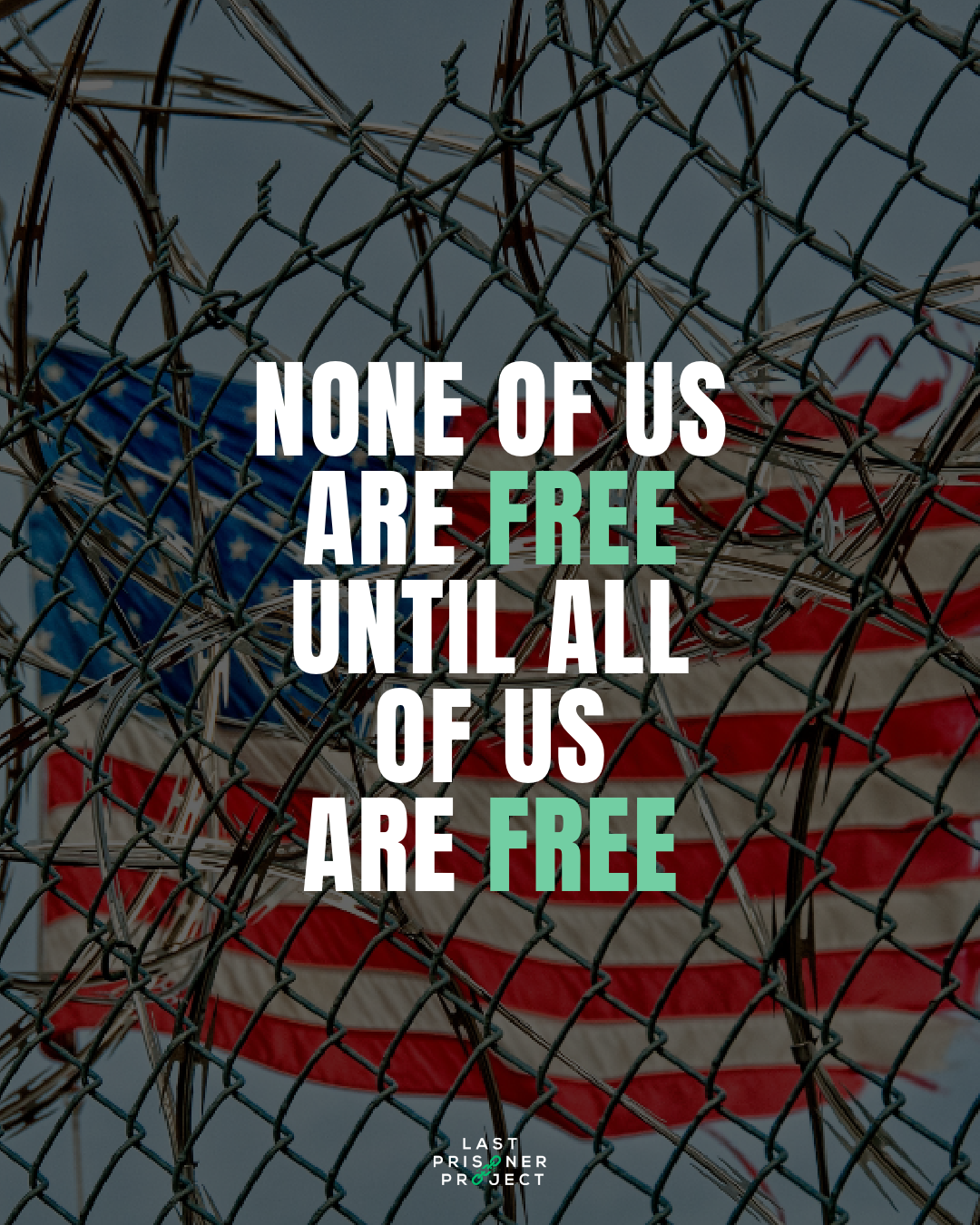
This Independence Day, as people across the country celebrate with fireworks and cookouts, the Last Prisoner Project is honoring those still waiting for their freedom: the individuals incarcerated for cannabis. While corporations profit from legal cannabis—an industry worth billions—thousands remain behind bars for doing the very same thing. People are serving egregious sentences as a result of an outdated and unforgiving legal system. Even after release, many still carry the burden of a criminal record that makes it nearly impossible to secure jobs, housing, or a second chance at life. They served their time, yet continue to pay the price for conduct that is now legal in over half the country. Independence Day is meant to celebrate freedom, democracy, and justice. But this holiday also presents an opportunity to confront how our government continues to fall short of those ideals. Hector Ruben McGurk , currently serving a life sentence for a non-violent cannabis offense, reflects on the injustice of his case: “Most inmates and staff who interact with me are surprised by my demeanor and social skills, especially considering I’m serving a life sentence for cannabis. I have zero security points and am classified as minimum risk. The person I’ve always been is clearly reflected in my prison record—but not at all in my PSI report. If you placed the two side by side, it would seem like they describe two entirely different people.” “Justice, to me, would mean a truly fair federal trial process—one where the courts do not allow the intentional use of misleading or false information, including in Pre-sentence Investigation reports, to distort the outcome. In conspiracy cases, circumstantial evidence should be backed by tangible proof—not just the testimony of government cooperating witnesses who have something to gain, especially when the consequences can be decades-long sentences.” Daniel Martinez , who has served 14 years of a 30-year cannabis sentence, offers this vision of justice: “First and foremost, justice would mean being released from prison immediately. Beyond that, it would mean having the opportunity to rebuild my life by doing what I love—growing cannabis—through a government grant or small business loan. I can’t get back the years I’ve already lost behind bars, so I choose to focus on my future. That, to me, would be justice.” Rafael Hernandez Carillo , who has already served 17 years of a life sentence in a maximum-security federal prison for cannabis, shares the heavy toll of his incarceration: “I’ve missed my children growing up. Now they have children of their own. That’s 17 years of missed birthdays, Christmases, and milestones. The pain, the anxiety, the depression I’ve endured—and still endure every day—can’t be erased. When I try to imagine what could possibly make up for all of that, I come up blank. I’ve lost an entire lifetime. What’s hardest is opening a magazine like Entrepreneur and seeing so-called ‘pioneers’ of the cannabis industry being praised for doing exactly what I’m serving a life sentence for. That’s a hard pill to swallow. I know I made mistakes. I take full ownership of that. My only prayer now is that the courts, the public—everyone—will recognize that 17 years is enough. Nothing can give me back the time I’ve lost. But being allowed to go home to my family would be a good place to start. It might not be full justice, but if I can be there for my grandchildren in ways I couldn’t be for my kids, that would be a blessing. I just pray that one day I’ll be given a second chance—to be seen for who I am now, not just the mistakes I made as a younger man trying to survive. And if sharing my story can help change laws or bring freedom to others living through the same injustice, then that would mean even more to me than my own freedom. A life lost behind bars is a tragedy. But a life spent in prison for a non-violent marijuana offense—that’s not just lost, it’s stolen.” Robert Deals , another incarcerated individual, emphasizes the need for accountability: “Justice to me, personally, would mean immediate release from this bondage—and at least ten years of reparations for my family. We’ve been cheated out of tens of thousands of dollars by at least five dishonest lawyers, and it’s time for some form of accountability and repair. One thing I want people to know is about the vicious and unethical tactics allowed here in Arizona—entrapment being one of them. There’s a big difference between selling something to undercover cops and the cops bringing drugs to sell to you—then abducting, capturing, and arresting you. From what I understand, this kind of tactic is illegal in most other states. I also want people to understand just how unjust and cruel the Arizona courts have been toward me—and others. The judge who sentenced me did so twice, even though I had already signed a plea deal. They did that just to create a prior conviction they could use against me. That same judge then refused to give me credit for 21 months I had already served in county jail. That kind of denial is virtually unheard of.” While America celebrates its independence, we also call attention to the veterans who remain incarcerated for cannabis. These four veterans served 31 years in the military. Now, they are serving a combined 55 years behind bars for a plant that is legal in 24 states and the District of Columbia: Deshawn Reilly , 46, served eight years in the Marines. He is now serving a 17-year sentence for cannabis-related offenses in Georgia. Robert Deals , 57, served 11 years in the Air Force. He is now serving an 18-year sentence in Arizona. Brent Crawford , 41, served six years in the Air Force. He is now serving a 15-year federal sentence for a victimless cannabis offense. Kristopher Fetter , 37, served six years in the Army. He is now serving a 5-year sentence for marijuana possession with intent to distribute in New York. Deshawn Reilly shared from behind bars: “I would like to thank Last Prisoner Project for all the support. This eleven-year journey was a learning experience. I want to express it as a part of my life path—meaning I had to go through these terrible times as a crest in a wave going down. Prior to my incarceration, I was on the crest of the upside of the wave. Marijuana will eventually become legal. The plant has so many cures and powers to it the powers that be want to suppress it. To make a long story short, I use universal laws to train my mind to stay on the positive side and turn this terrible situation into something positive. Your help is greatly appreciated.” These are the stories that expose the hypocrisy of cannabis prohibition. These are the people the Last Prisoner Project fights for every day. Freedom must be more than a slogan. It must be a reality for everyone—including those still incarcerated for cannabis and those struggling to rebuild their lives after prison. This 4th of July, we renew our call... FREE THEM ALL!
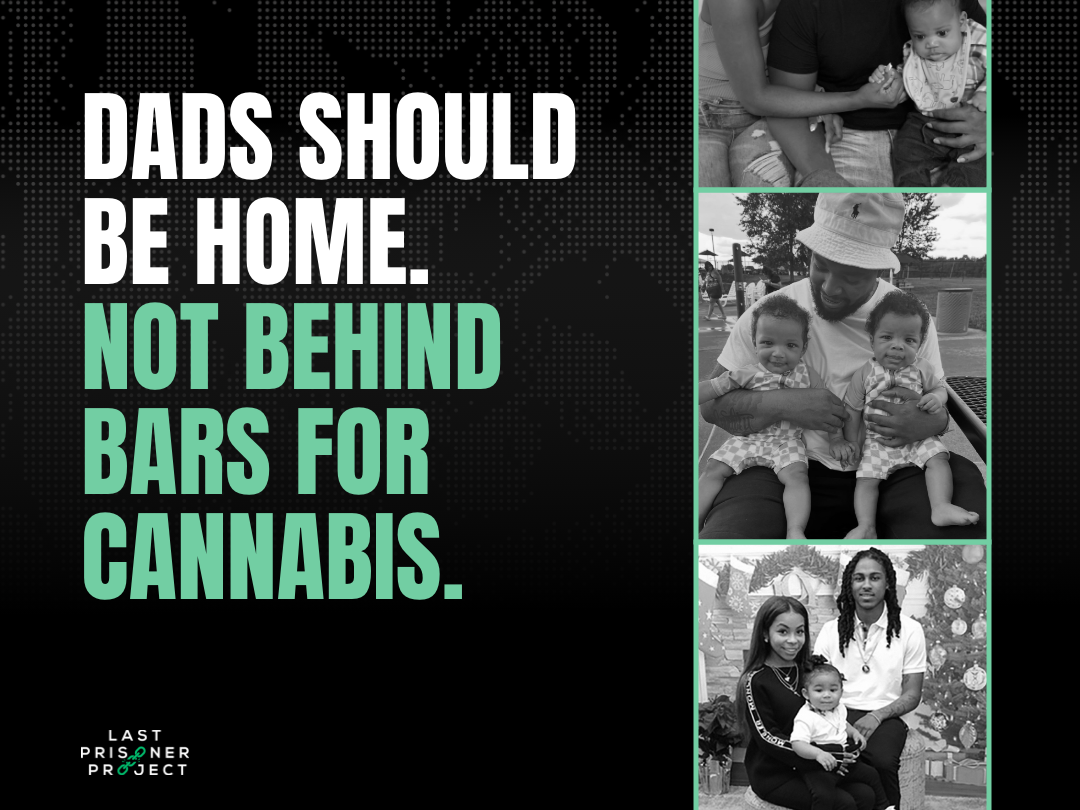
As families across the country come together this Father’s Day, thousands of children are spending the day without their dads—not because of violence or harm, but because their fathers remain locked away for cannabis-related convictions. In many cases, these men are serving long sentences for conduct that is now legal in much of the United States. Despite cannabis being decriminalized or fully legalized in the majority of states, the human cost of prohibition continues to devastate families—especially those in historically marginalized communities. These are fathers raising their children through prison phone calls and video visits, relying on letters and photographs to stay connected while missing birthdays, report cards, and everyday moments. Behind every sentence is a story. And behind every prison wall is a child wondering why their dad can’t come home. Daniel Longoria is one of those fathers. A U.S.-born, Hispanic man serving a 30-year sentence for a nonviolent cannabis offense, Daniel has not seen or held his children in years. The pain of distance, separation, and injustice weighs heavily on him. He shared the following: “When a Dad has not seen his kids, held his kids and who's son no longer speaks to him because I am over 1,000 miles away from home without a good cause puts such a heaviness in my heart that if I did not have God to turn to, I might have probably already ended my life. My son has now been diagnosed with Mental Behavior Disorder and has attempted suicide three different times. These things as a Father kill me inside because I was a great Dad and my kids loved me, and so Father’s Day is really hard to celebrate anymore. How can I celebrate this day, when I know my kids are struggling out there because of a plant that many states are now making millions, if not billions, of dollars off of it? I have also become a grandfather of two and have yet to meet them. I keep the faith and remain strong in the Lord. One day, I pray to be home and this nightmare be over.” Daniel’s experience is not an isolated one. At Last Prisoner Project, we work with dozens of fathers currently incarcerated for cannabis convictions—men who are missing milestones, parenting through prison walls, and holding on to hope for freedom. These dads include: Terrence Pittman – Father of five, serving a 30-year sentence Rollie Lamar – Father of six, serving an 18-year sentence Antoine Turner – Father of three, serving a 13-year sentence Malik Martin – Father of six, serving a 10-year sentence J’lyne Caldwell – Father of four, serving a 5-year sentence Vinh Nguyen – Father of two, serving a 6-year sentence Rendy Le – Father of two, serving a 5.5-year sentence Sean Scott – Father of one, serving a 5-year sentence Sean Scott’s story is particularly heartbreaking. A former Division I football player and successful real estate entrepreneur, Sean is serving over half a decade for a nonviolent marijuana offense involving nine kilograms and a legally owned firearm. While he remains proud of his past and hopeful for the future, he’s devastated to be missing out on his two-year-old son’s life. “This is my third time away,” Sean said. “And it’s extremely difficult to just watch my son grow and miss another holiday with him.” His fiancée is raising their son alone while also caring for Sean’s elderly mother. Sean is one of many fathers who should be home—not behind bars for something legal in so many parts of the country. Then there’s Rendy Le, a father of two, who reminds us what’s at stake. “You can always make money—but you can’t always make memories,” he said. “Cherish the good times.” It’s a sentiment echoed by every man we work with: time is the most precious thing they’re losing. Despite all this injustice, we also see the other side—stories of reunion, resilience, and redemption. Bryan Reid is one such example. After serving six years of a 12-year cannabis sentence, Bryan is now home and rebuilding his life with his children. “When I went in, my son was just one and my daughter was three,” Bryan told us. “I missed every first and last day of school. But now? Now I’m their sports dad, Santa, and biggest fan.” In the 15 months since his release, Bryan has made new memories—picking his kids up from school for the first time, visiting trampoline parks, and watching his oldest daughters graduate college. “Watching them grow into strong, independent women and seeing how hard they’ve worked for everything they have is nothing short of incredible,” he said. “It was an honor to stand beside them.” Bryan’s return to fatherhood, though hard-earned, is a reminder of why we fight. No one should be separated from their children over cannabis. No child should grow up wondering why their father is in prison for something now sold legally in dispensaries across the country. This Father’s Day, let’s do more than celebrate. Let’s commit to changing the laws, freeing the fathers, and reuniting families. Join us in advocating for clemency, resentencing, and restorative justice—for Daniel, Sean, Rendy, and the thousands of others still waiting to come home. Want to help this Father’s Day? Share their stories and donate to support our work! Bryan Reid Enjoying Freedom